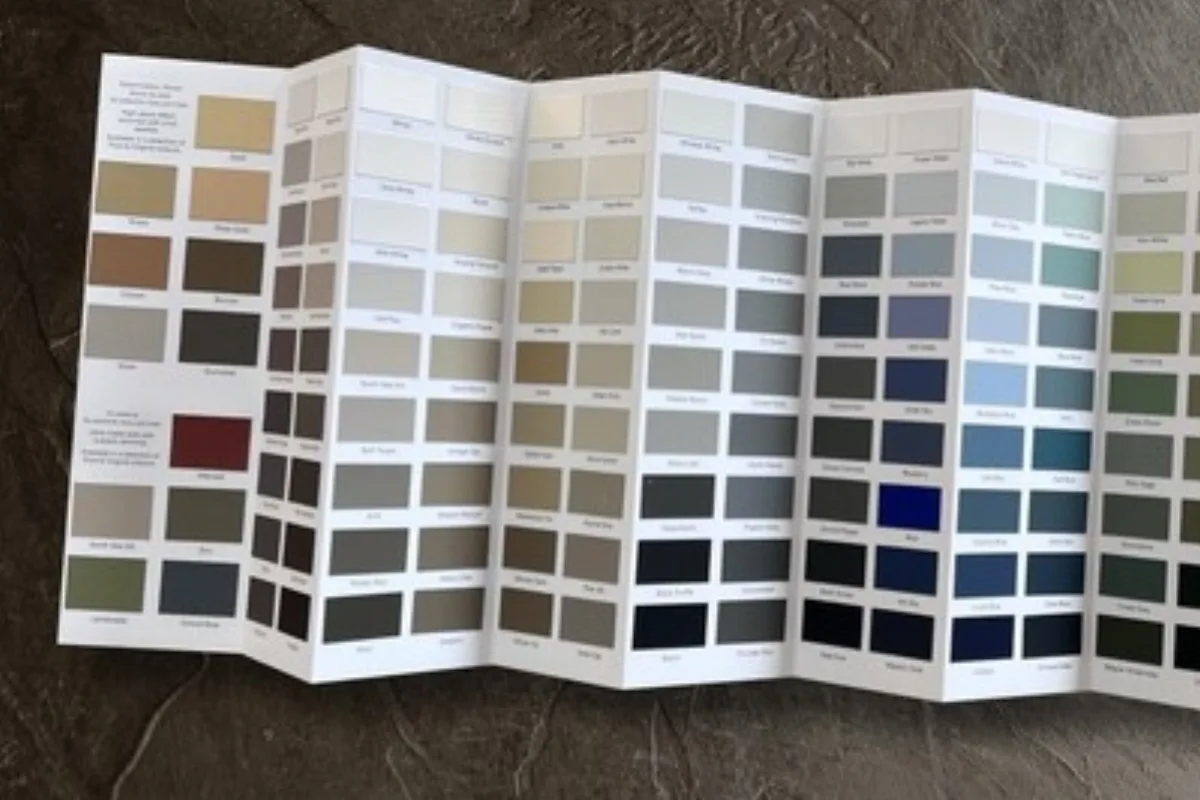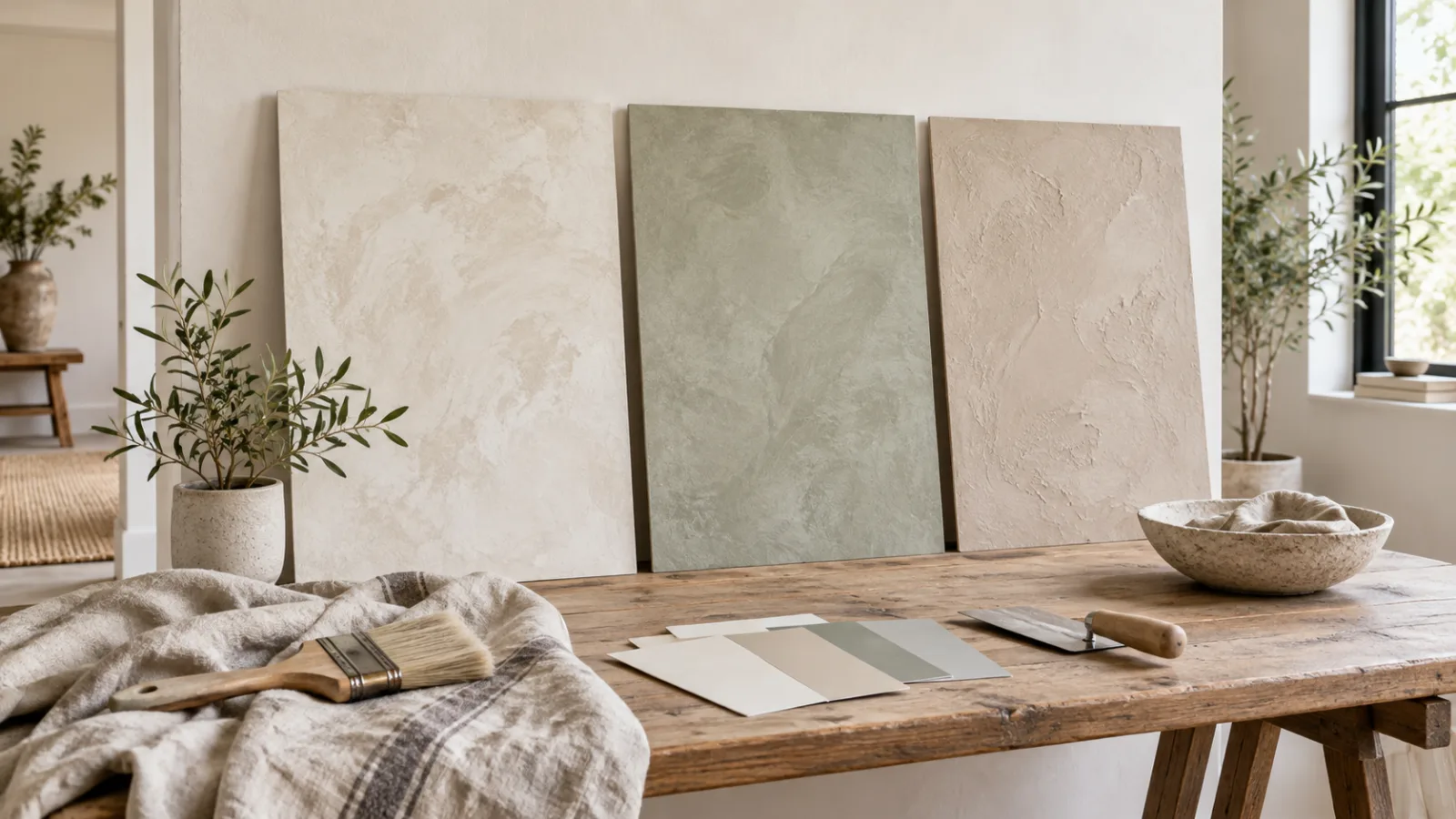
Decorative mineral, lime-based and plaster-effect paints can add depth that ordinary flat wall paint does not provide. The finished result depends on the substrate, primer, colour, tool and application technique, so choosing a product by an inspiration photo alone can lead to surprises. This guide explains what to compare before ordering a textured wall finish.
Affiliate disclosure: StackTheCoupons may earn a commission if you follow a qualifying link and make a purchase. This does not change the price you pay or the selection criteria below.
Start with the room and surface
Identify the substrate before choosing a finish: new drywall, previously painted plaster, masonry, wood, metal or flooring may require different preparation. Note moisture exposure, cleaning needs, natural light and the amount of daily wear.
A decorative finish that works well in a low-traffic bedroom may need additional protection in an entry, kitchen or commercial space. Use the manufacturer’s current technical documentation for the exact product and surface.
Understand the visual differences
Limewash-style finishes often create soft tonal movement through layered brushwork. Plaster-effect products can produce more pronounced variation and texture. Chalk-based paints generally emphasize a matte appearance, while lacquer and metallic products are designed for different levels of sheen and durability.
Names such as “lime paint,” “plaster paint” and “mineral finish” do not guarantee identical ingredients or installation methods across brands. Compare the product description, technical sheet and sample—not just the category label.
Order a sample and test it in place
Screen colours are affected by displays, photography and browser settings. Test a real sample in the room where the finish will be used. Observe it in morning daylight, evening light and under the room’s artificial lighting.
- Place samples beside flooring, trim, countertops and major furniture.
- Compare more than one tone because texture can make a colour appear lighter or darker.
- Make a sufficiently large test area to see movement and sheen.
- Use the intended primer and application tool for the most representative result.
Confirm the complete system
The paint itself may be only one part of the system. Some surfaces need cleaning, repair, sanding, a specific primer or a base coat. Certain finishes may also require a sealer, wax or protective topcoat depending on the room and intended use.
Record every required component before calculating the project budget. Mixing incompatible products can affect adhesion, colour, sheen or durability.
Estimate coverage conservatively
Coverage varies with surface porosity, texture, application technique and number of coats. Measure wall area, subtract large openings if appropriate, and follow the product’s stated coverage method. Add a reasonable allowance for test areas, touch-ups and application loss.
Highly textured or absorbent surfaces may use more material. If the project sits near a package-size boundary, ask the retailer or manufacturer for guidance rather than assuming one coat or ideal coverage.
Match the tool to the finish
Brushes, rollers and trowels leave different marks. Limewash-style movement may depend on brush size and stroke direction, while plaster-effect finishes can require a trowel or specialist spreader. Review technique videos and written instructions for the exact product.
Before working on a prominent wall, practice on a sample board. This reveals how quickly the product sets, how overlaps appear and whether the planned texture is realistic for the installer’s experience.
Plan preparation and safety
Protect floors, trim and adjacent surfaces. Ventilate the work area and follow the current label and safety data sheet for handling, protective equipment, storage and disposal. Repair unstable surfaces before painting, and resolve moisture problems instead of covering them.
Older coatings or building materials can require special testing or professional handling. When the existing surface is unknown, get qualified advice before sanding or disturbing it.
Consider maintenance and touch-ups
Ask how the finish should be cleaned and whether touch-ups blend invisibly. A highly varied finish may disguise small marks but can be difficult to patch if the application pattern changes. Keep the product name, colour reference, batch information and application notes with the project records.
For washable or high-contact areas, confirm the expected cure time and whether a protective finish is recommended. “Dry to the touch” is not necessarily the same as fully cured.
A pre-order checklist
- Identify the substrate and existing coating.
- Select the visual effect and appropriate product family.
- Test the colour and texture under the room’s real lighting.
- Confirm primer, tools, coat count and protective finish.
- Calculate coverage with an allowance for samples and touch-ups.
- Review current shipping, return and custom-tint policies.
Browse Pure & Original Canada
Pure & Original Canada offers decorative paints, colour samples, primers, protective finishes and application tools. Use each current product page and technical guide to confirm surface suitability, preparation and application requirements.
Browse current Pure & Original Canada paint finishes.
For the connected offer, visit the Pure & Original Canada store page on StackTheCoupons.
Frequently asked questions
Is limewash the same as ordinary matte wall paint?
No. Lime-based and limewash-style products can use different ingredients, preparation and application techniques. Follow the documentation for the exact product.
Do I always need a primer?
Primer requirements depend on the substrate, existing coating and finish. Use the manufacturer’s current system guidance rather than skipping primer based on appearance alone.
Can I choose colour accurately from a screen?
A screen is useful for narrowing choices but cannot reproduce every surface, texture and lighting condition. A physical sample viewed in the room is more reliable.
Does this guide promise a coupon or discount?
No. It makes no coupon-code, price, discount or expiry claim. Check the current official store for product and checkout details.
Bottom line
The best decorative paint choice is a complete system that suits the surface, room and installer—not simply the most attractive photograph. Test the finish, verify every preparation layer and practise the application method before committing to the full wall.